A thunderstorm can leave behind obvious damage, but some roofing problems are easy to miss from the ground. After heavy rain, wind, or hail moves through Cedar Grove, a careful visual check can help homeowners spot warning signs before they turn into leaks or something worse. You know, it's usually the small stuff that catches people off guard.
The safest place to start is at ground level and inside the home. Climbing onto the roof is not necessary to find useful clues. Shingles on the lawn, overflowing gutters, ceiling stains, damp attic insulation, and displaced flashing can all point to areas that need a closer look.
A trusted roofing contractor can catch what most homeowners miss, and getting one out early usually saves a lot of trouble later.
What Should You Look For From The Ground First?
Start with the areas visible safely without using a ladder. Walk around the property and look for changes that were not present before the storm, especially along roof edges, gutters, downspouts, siding, and the ground directly below the roofline.
A ground-level walk around the property should cover:
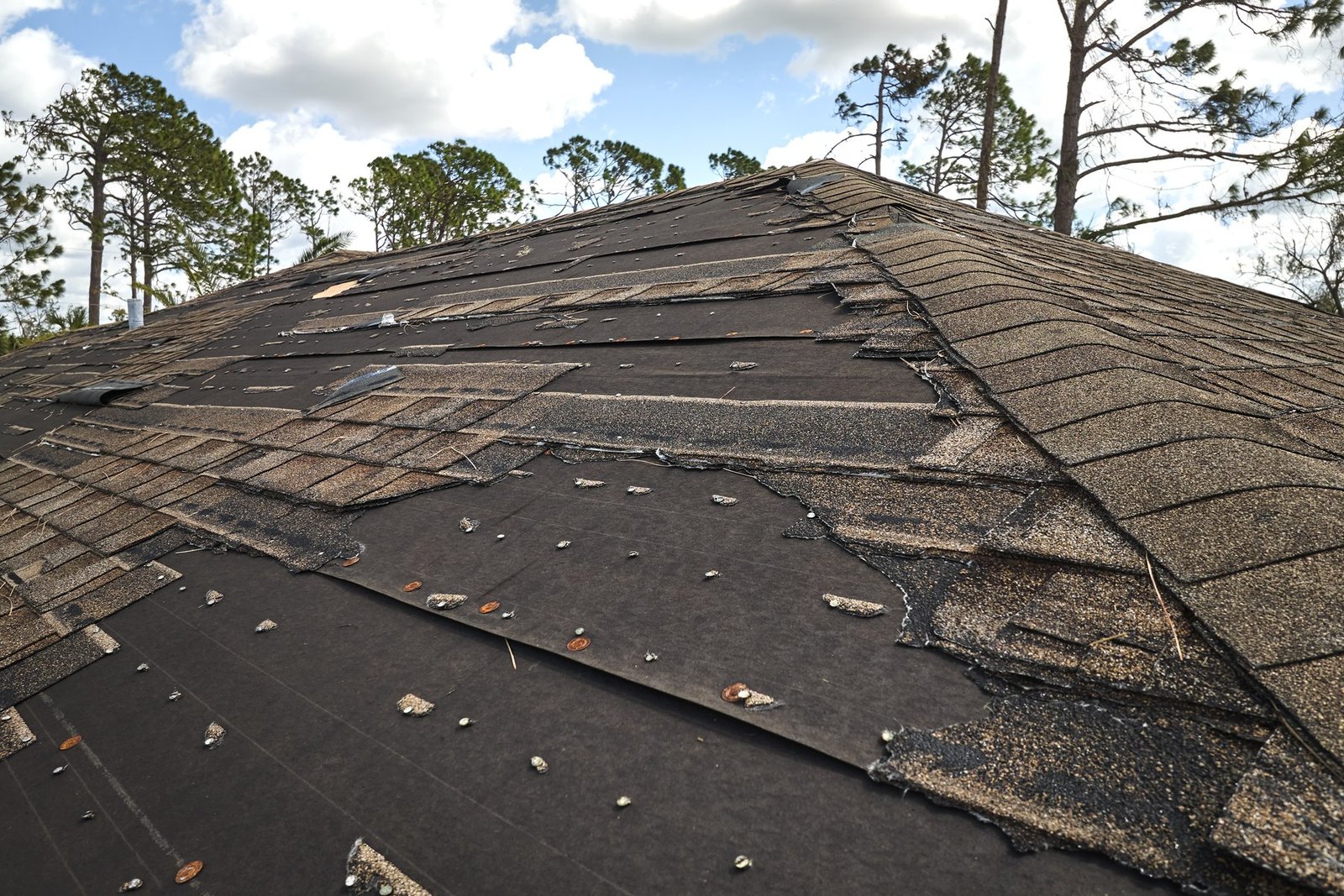
Missing or lifted shingles in the yard
Bent or displaced gutters and downspouts
Debris resting against drainage points or on the roof itself
Ceiling stains or fresh discoloration inside the home
Damp insulation or a musty smell in the attic
Shifted flashing around chimneys, vents, or skylights
Knowing how to spot storm damage on a roof early makes it much easier to act before small issues spread. If branches are sitting on the roof, avoid climbing up to remove them while conditions are wet or uncertain.
How Can You Tell If Water Entered The Home?
Interior moisture is one of the most useful signs to check after a storm. Look at ceilings, upper walls, attic spaces, and areas around skylights for fresh staining, dampness, peeling paint, or a musty smell that was not there before.
Water does not always appear directly below the damaged part of the roof. It can travel along roof decking, framing, or insulation before becoming visible indoors.
Understanding how water moves through a structure is key to protecting roofs during severe weather, since the source of a leak is rarely where it first shows up. If the attic is safely accessible, damp insulation, darkened wood, or visible droplets can provide useful clues about where moisture is moving.
Which Roofing Components Deserve Extra Attention After A Storm?
Roof edges, flashing, vents, valleys, skylights, and areas where the roof meets a wall deserve extra attention because they involve transitions, openings, or concentrated water flow. These details can be more vulnerable when wind and rain arrive together.
Flashing helps direct water away from joints and penetrations. If it shifts, bends, or separates, rain may get beneath surrounding materials.
Roof valleys can also collect heavy runoff and storm debris, which can interfere with normal drainage even when no interior leak is visible yet. Catching these issues early often means the difference between a simple fix and a full residential roof repair. Checking these spots closely is one of the most reliable ways to spot storm damage before it becomes a bigger repair.
| Area | What Can Happen | Why It Matters |
|---|---|---|
| Roof edges and flashing | Lifted, bent, or separated materials | Rain can get beneath surrounding surfaces |
| Valleys | Debris buildup, slowed drainage | Water may back up instead of draining away |
| Gutters and downspouts | Sagging, blocked, or detached sections | Overflow can damage fascia and siding |
Spotted a shingle in the yard or a new stain on the ceiling after last night's storm? Give us a call at (973) 857-9449, and we will take a look before it turns into a bigger problem.
What Should You Check Around Gutters And Drainage?
Gutters are part of the roof drainage system, so a storm check should include more than shingles. Look for sagging sections, loose fasteners, separated joints, blocked outlets, or downspouts that no longer direct water the way they did before the storm.
Heavy rain can expose drainage problems quickly. Water spilling over a gutter edge, running down exterior walls, or pooling near the building may point to a blockage or damaged section. Storm debris can also collect near downspout openings and restrict flow without causing the gutter to detach.
When Does Storm Damage Call For A Professional Roof Inspection?
A professional inspection is worth considering when there is visible damage, new interior moisture, or uncertainty about whether the roof was affected. The purpose is not to assume that every storm requires major work, but to determine whether repair, monitoring, or no immediate action makes sense.
All Professional Remodeling Group works with residential and commercial roofing systems in Northern New Jersey and can evaluate roofing concerns after severe weather. A closer inspection can help distinguish between storm-related damage and older wear, then identify which areas actually need attention.
What Should You Avoid Doing After A Thunderstorm?
Avoid climbing onto a wet, steep, or potentially damaged roof. Roofing surfaces can be slippery after rain, and storm damage can make certain areas less stable than they appear from below. A ground-level and interior check is usually the safer first step.
It is also wise not to make permanent repairs based only on a guess about the leak source. Water paths can be deceptive. If the storm was severe or new symptoms appear afterward, a proper evaluation can help locate the source before materials are repaired or replaced unnecessarily.
Frequently Asked Questions About Roof Checks After Thunderstorms
Homeowners often have the same practical questions after a strong storm. The answers below can help decide what to watch for and when a closer inspection may be useful.
Can a roof be damaged even if no shingles are missing?
Yes. Wind can loosen shingles, flashing, vents, or other components without removing them completely, and some damage is difficult to see from the ground.
Should I check the attic after heavy rain?
Does every storm-damaged roof need replacement?
How soon should I look for storm damage?
Need Help Checking Your Roof After a Storm?
If a Cedar Grove home shows missing materials, new stains, gutter damage, or another change after a thunderstorm, All Professional Remodeling Group can evaluate the roofing system and explain what we find.
Call (973) 857-9449 to schedule an inspection. If the roof is wet, steep, or visibly damaged, stay off the surface and let a trained roofing professional handle the closer look.