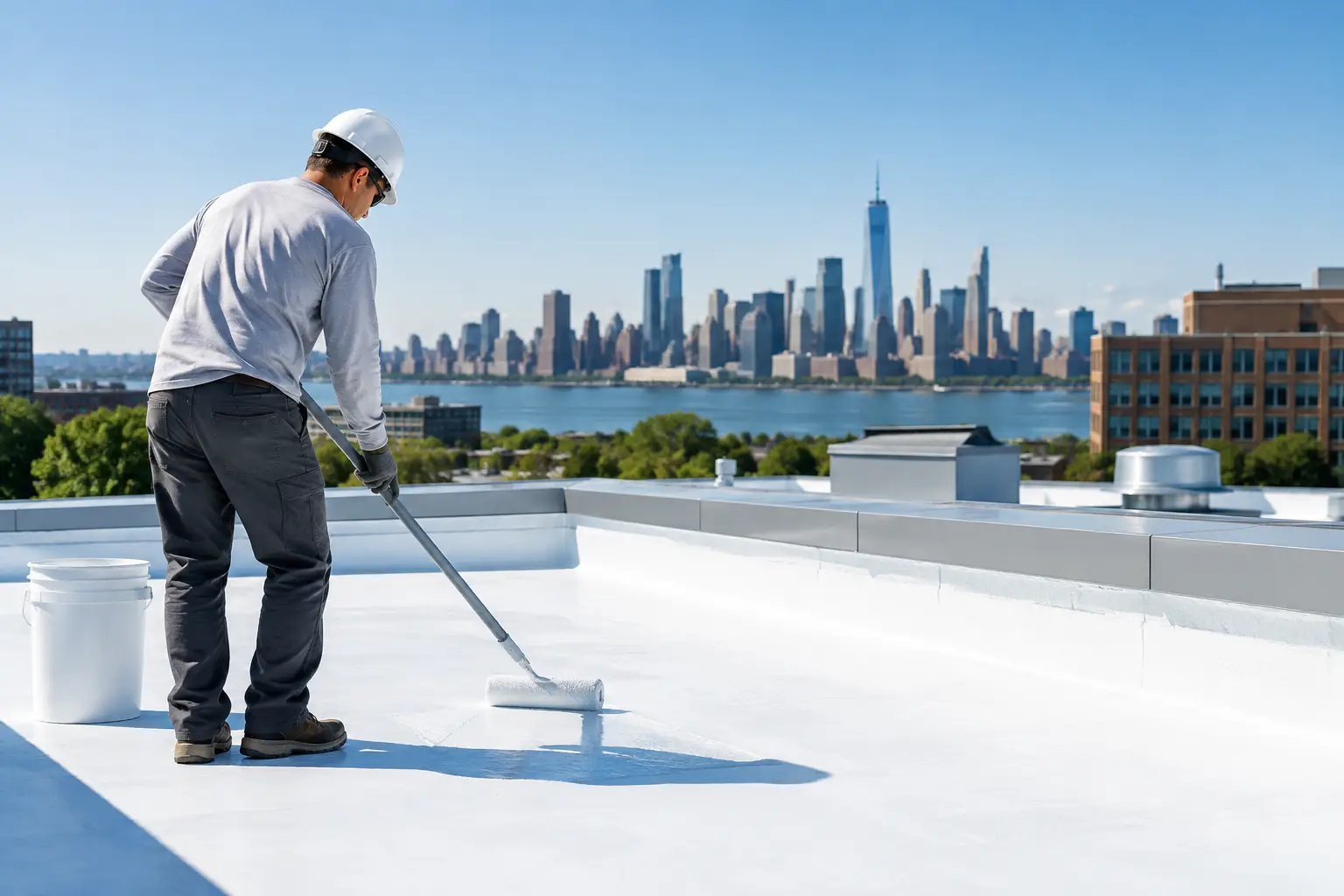
A roof can become one of the hottest surfaces on a property during a Cedar Grove summer afternoon. That heat does not stay outside. It can move into the attic, strain air conditioning equipment, and speed up wear on roofing materials. Cool roof technology addresses that problem by helping a roof reflect more sunlight and release absorbed heat more effectively.
For homeowners and commercial property owners, the value is not simply a cooler roof surface. The right system can support indoor comfort, improve energy performance, and help protect a major investment from repeated heat exposure. However, not every roof type, color, or building has the same needs. A qualified roofing contractor should match the material and installation method to the property rather than treating “cool” as a one-size-fits-all feature.
What Is Cool Roof Technology?
Cool roof technology refers to roofing materials and surface designs that reduce heat absorption. Traditional dark roofing can absorb a significant amount of solar energy. A cool roof is engineered to reflect more of that energy away from the building while also radiating absorbed heat back into the atmosphere.
Two measurements are especially useful when comparing products. Solar reflectance measures how much sunlight a roof reflects. Thermal emittance measures how efficiently the material releases heat it has absorbed. Higher values can help keep the roof surface cooler than a comparable conventional roof exposed to the same sun.
The result is often substantial. On a clear summer day, a dark roof can reach temperatures well above the outdoor air temperature. Reflective roof surfaces may run noticeably cooler. That lower surface temperature can reduce heat transfer into the building and limit the thermal stress placed on roofing components.
A cool roof is not always bright white. White membranes are common on flat commercial roofs because they offer strong reflectivity. For sloped residential roofs, manufacturers now offer lighter and specially formulated shingles in colors that complement the home while delivering improved solar reflectance. The available performance depends on the product, color, roof pitch, ventilation, insulation, and surrounding shade.
Where Cool Roof Technology Makes the Biggest Difference
Flat and low-slope commercial roofs are often excellent candidates for cool roofing systems. These roofs receive direct sun across a broad, exposed surface, and many commercial buildings have large roof areas relative to their wall space. A reflective membrane, coating, or metal system can help reduce rooftop heat and may contribute to lower cooling demand during warm weather.
For a retail space, office building, warehouse, or multifamily property, the benefit extends beyond comfort. Lower roof temperatures can help reduce expansion and contraction across the roofing assembly. That matters because repeated movement can contribute to premature wear at seams, flashings, penetrations, and other vulnerable details.
Residential properties can benefit as well, especially homes with limited shade, finished attic spaces, upper-floor comfort concerns, or older insulation. A cool-rated shingle may help reduce attic heat, but it should be viewed as part of the whole roofing system. Proper attic ventilation, dependable underlayment, correct flashing, and sound insulation are equally important to long-term performance.
In northern New Jersey, property owners should also consider the year-round picture. Cooling savings can be meaningful during hot, humid months, but a reflective roof may reduce some beneficial solar heat gain in winter. For many buildings, especially those with significant cooling loads, the summer benefit remains compelling. The right choice depends on the roof design and how the building is used.
Choosing the Right Cool Roof System
The best material begins with the roof itself. A steep-slope home roof requires a different approach than a low-slope commercial roof. Installation details, drainage, wind exposure, existing deck conditions, and local code requirements all matter before selecting a system.
Cool Roofing for Sloped Residential Roofs
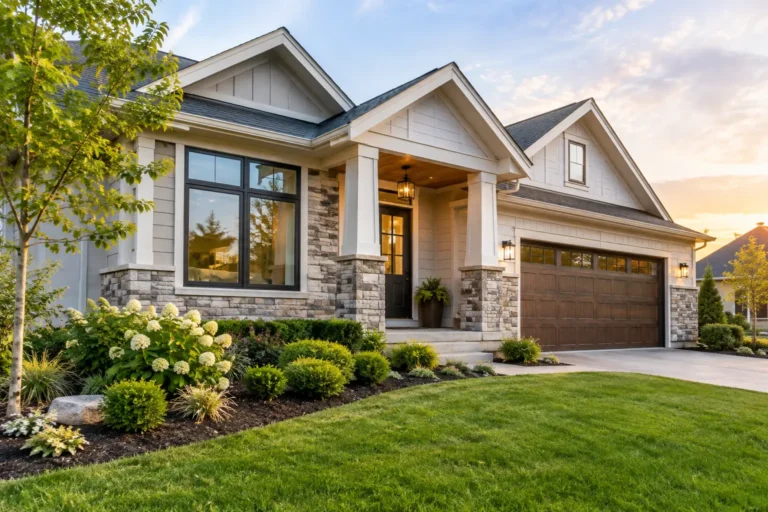
Architectural asphalt shingles remain a practical choice for many New Jersey homes because they provide dependable weather protection, a familiar appearance, and a range of color options. Cool-rated shingle lines can offer enhanced reflectance without forcing homeowners into a stark white roof. This makes them a strong option for owners who want improved energy performance while preserving curb appeal.
Metal roofing can also perform well as a cool roof, particularly when finished with reflective coatings or lighter colors. It offers long service life and can shed snow and rain efficiently when designed and installed correctly. The upfront cost is typically higher than asphalt shingles, so it is best evaluated in terms of expected lifespan, maintenance needs, architectural style, and long-term ownership plans.
Solar roofing can be part of the conversation for homeowners focused on energy production. Solar shingles and panels do not replace the need for a properly designed roof system beneath and around them. The roof structure, waterproofing details, electrical design, roof orientation, and remaining service life all need careful review before installation.
Cool Roofing for Commercial Properties
For flat and low-slope roofs, single-ply membranes such as TPO and PVC are frequently selected for their light-colored, reflective surfaces. These systems can provide strong solar reflectance while creating a continuous, watertight barrier when installed by trained professionals. They are commonly used on commercial buildings where durability, seam performance, drainage, and ease of maintenance are priorities.
Reflective roof coatings may be appropriate when an existing roof is in suitable condition and does not require full replacement. A coating is not a shortcut for a failing roof. Before applying one, a contractor should inspect the membrane, seams, flashings, drains, penetrations, and moisture condition of the existing assembly. If trapped moisture or widespread deterioration is present, replacement may be the more responsible investment.
Metal roof coatings and restoration systems can also be effective for qualifying commercial roofs. They can help extend service life, improve reflectivity, and address minor surface weathering. As with any system, preparation is critical. Cleaning, repairs, adhesion testing, and treatment of fasteners and seams determine whether the coating will perform as intended.
Installation Quality Determines Real Performance
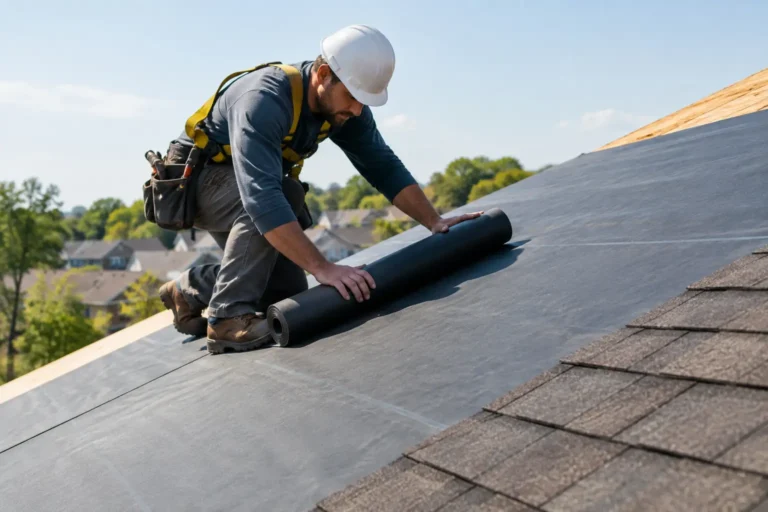
A high-performing roofing product cannot compensate for poor workmanship. Cool roof technology is only as dependable as the installation below it, including deck preparation, moisture protection, ventilation, drainage, flashings, and manufacturer-required details.
On residential roofs, an experienced contractor will examine more than the shingles. They should assess the condition of the decking, attic airflow, intake and exhaust ventilation, chimney and wall flashings, pipe boots, skylight details, and gutters. Heat management works best when water management is equally strong.
Commercial roofing requires the same disciplined approach on a larger scale. Ponding water, clogged drains, poorly sealed penetrations, and unsupported rooftop equipment can undermine even a premium reflective membrane. A professional inspection should identify these risks before a system is specified, not after leaks develop.
Warranty coverage also deserves attention. Manufacturer warranties may have specific requirements for approved products, installation methods, and contractor credentials. Working with a certified, licensed roofing professional helps ensure the proposed system is installed according to the standards that support its warranty protection.
How to Decide if a Cool Roof Is Worth It
Start with the condition and age of the current roof. If the roof is near the end of its service life, selecting a cool-rated replacement system can be a smart time to improve energy performance. If the roof is newer and performing well, improvements to insulation, ventilation, or shading may provide a more practical first step.
Next, consider the building’s exposure. A roof surrounded by mature trees will behave differently from one exposed to full sun all day. Building use matters too. A warehouse with limited air conditioning may see different benefits than an office building with occupied rooms directly below the roof deck.
Finally, look beyond energy bills alone. Cooler roof surfaces can support material longevity, occupant comfort, and better protection for the building envelope. These benefits are difficult to reduce to one simple number, but they are part of the long-term value of a properly designed roof replacement or commercial roofing system.
All Professional Remodeling Group helps Cedar Grove-area property owners evaluate roofing choices with the full building in mind. The goal is not to recommend the brightest possible roof. It is to install a durable, warranty-backed system that fits the property, protects against New Jersey weather, and supports lasting performance.
Before choosing a roof color or material, arrange a professional evaluation of the existing roof, attic or deck conditions, drainage, ventilation, and energy concerns. The best cool roof is the one that protects the entire property well long after the summer heat has passed.